
How Long Does a Solar Panel Pay for Itself? Calculate Your ROI in 2025
Discover how long it takes for a solar panel to pay for itself in 2025. Calculate your ROI with real data and tips from Zirian.
Introduction
Electricity bills keep rising, and more households are seeking alternatives to reduce consumption. Solar panels are presented as the ultimate solution, but a key question arises: how long does it take to recover the initial investment? In 2025, with energy prices at historic highs and photovoltaic technology more efficient than ever, the return on investment (ROI) has accelerated. In this article, we explain how to calculate it accurately, what factors influence it, and why installing solar panels with Zirian could be the most profitable decision of your year.
A well-sized solar panel not only reduces your bill but becomes an asset that generates passive income for over 25 years.
To calculate the ROI of a solar panel in 2025, you first need to know your annual electricity consumption in kWh, the total system cost (including installation and permits), and the price you pay per kWh. The basic formula is: ROI = (Total system cost) ÷ (Annual savings on your bill). For example, if your system costs $8,000 and you save $1,200 per year, your payback period will be approximately 6.7 years. However, this calculation is optimized with tax incentives, net metering, and annual electricity rate increases, which average 5% per year.
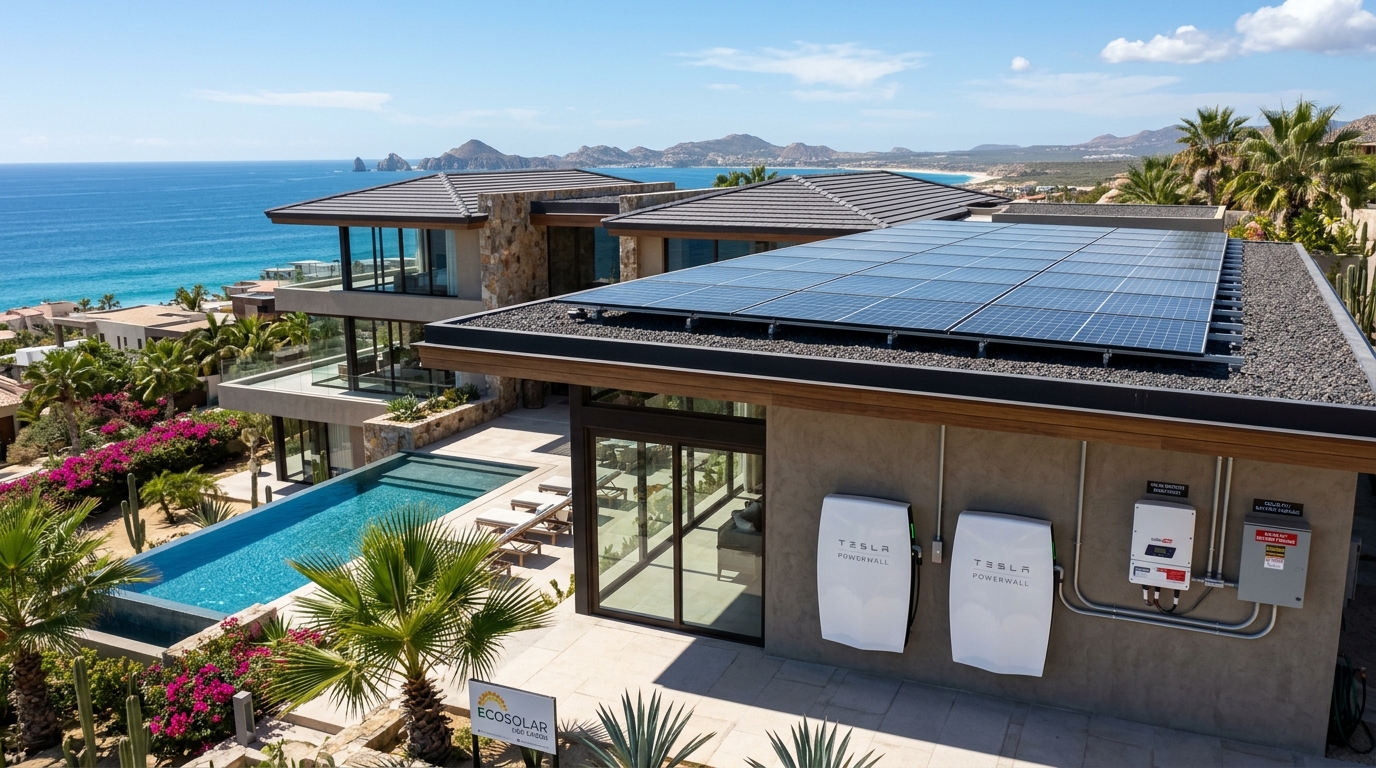
In 2025, the average cost of a residential system in Spain ranges from $5,000 to $12,000, depending on power and component quality. With a lifespan of 25-30 years and minimal degradation of 0.5% per year, latest-generation solar panels offer exceptional performance. Additionally, EV chargers and storage batteries integrate perfectly with your solar installation, allowing you to maximize every kilowatt generated, even when the sun isn't shining. This accelerates your ROI, as you stop relying completely on the grid.
Key factors determining your solar ROI
Not all solar systems are equal. ROI depends on several elements you must consider before investing:
- Roof orientation and tilt: A south-facing orientation with a 30-35 degree tilt maximizes solar capture in the northern hemisphere.
- Electricity consumption: The higher your consumption, the faster the system pays for itself, as savings are proportional.
- Energy price: With rates exceeding $0.30/kWh during peak hours, every solar kWh is worth more than ever.
- Incentives and subsidies: In 2025, many governments offer tax deductions up to 40% and direct grants for photovoltaic installations.
- Net metering or surplus compensation: Selling your excess energy to the grid reduces your bill to zero or even generates income.
Practical ROI calculation example in 2025
Imagine you install a 6 kW system with a total cost of $9,000. Your annual consumption is 8,000 kWh, and you produce 7,500 kWh per year. With a price of $0.25/kWh, your annual savings are $1,875. If you add a 30% subsidy ($2,700), your net investment is $6,300. The ROI would be 3.4 years. After that, you'll generate free energy for 20 more years, with accumulated savings exceeding $37,000.
How to accelerate your ROI?
At Zirian, we integrate solar panels with smart energy management systems, lithium batteries, and EV chargers. This allows you to:
- Self-consume 90% of your generated energy.
- Charge your electric vehicle during the day with solar power.
- Store excess energy for nighttime use, avoiding expensive grid purchases.
- Monitor your production and consumption in real-time from your smartphone.
Moreover, our professional installation guarantees optimal performance from day one. Don't wait any longer: every month without solar panels is lost money. Contact Zirian and calculate your personalized ROI in less than 5 minutes.